Health and Safety Policy for Garden Clearance Forest Gate
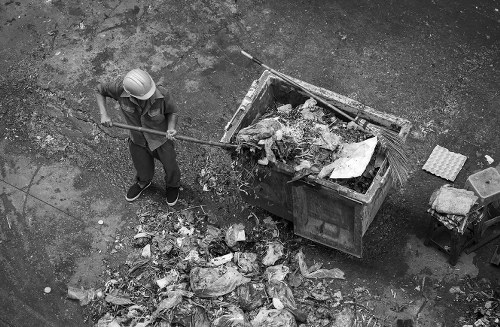 This Health and Safety Policy sets out the commitment and standards maintained by our garden clearance team operating as a rubbish and garden waste service. The purpose is to ensure a safe working environment for staff, contractors and members of the public during all garden clearance and rubbish removal tasks. This policy applies to all activities associated with garden clearance, green waste disposal and site tidy operations. It is the responsibility of management to provide the necessary resources and the responsibility of every worker to follow procedures and report hazards promptly. Safety is a core value and must be evident in every clearance job.
The organisation recognises risks common to garden clearance services, including manual handling, use of powered equipment, hazardous materials, sharps and live plant hazards. Our approach combines proactive risk assessment with clear control measures and training. Supervisors will ensure that each worksite receives a pre-start inspection and that staff receive briefings covering the specific hazards present. All employees are expected to participate in safety briefings and to wear appropriate personal protective equipment when performing rubbish removal, hedge cutting, tree debris clearance and soil handling tasks.
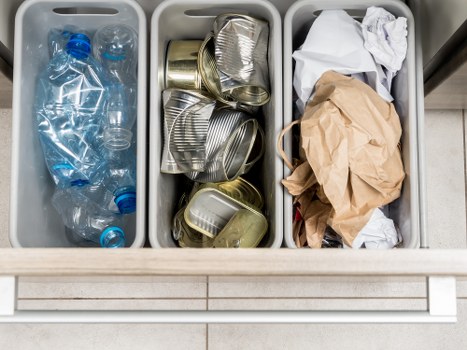 This policy also addresses operational vehicle safety and site set-up for rubbish collection and garden waste removal. Drivers and crew must follow traffic management rules for parking, loading and vehicle stability when transporting garden waste and debris. Loads will be secured to prevent spillage and roadside hazards. Where heavy items or bulky waste are present, mechanical aids or additional manpower will be deployed according to assessed risk. Documented lifting plans and team lifts are mandatory for items exceeding safe manual handling limits.
All staff engaged in garden clearance or rubbish removal Forest Gate operations will receive training covering hazard recognition, safe equipment operation, emergency procedures and waste segregation. Training is a continuous process: induction training is reinforced by toolbox talks and periodic refresher sessions. Contractors and temporary workers will be vetted for competence and must demonstrate ability to follow safety protocols before being permitted on site. Competence is monitored through observation and recorded assessments.
 A formal risk assessment is performed for each contracted garden clearance project and for routine garden waste collection activities. Risk controls include physical barriers, exclusion zones, signage and use of suitable tools rather than improvised methods. Hazardous items discovered during garden clearance—such as chemical containers, asbestos suspect materials, or broken glass—are handled according to strict isolation and notification procedures, and removed by authorised personnel only. Where environmental sensitivity exists, measures to protect soil, drainage and local flora are implemented.
Personal protective equipment (PPE) standards are specified and enforced: gloves, eye protection, high-visibility clothing, sturdy footwear and hearing protection where powered tools are used. Respiratory protection is available where dust or biological spores are a concern. PPE selection is made on the basis of task-specific risk assessment and is to be maintained in clean, serviceable condition. Team leaders will ensure PPE is worn correctly and will replace damaged items promptly.
Emergency response and first aid arrangements are in place for garden clearance sites. First aid kits are maintained in vehicles and at regular depots, and trained first aiders are assigned to crews. In the event of an incident, the priority is to secure the scene, administer first aid and arrange for medical assistance if required. Incidents and near-misses are to be reported and recorded immediately so that corrective actions can be taken to prevent recurrence. Reporting supports continuous improvement of our health and safety performance.
 Environmental controls are integrated with safety practices: waste is segregated to maximise recycling of green waste and to minimise the volume sent to landfill. Fuel and chemical handling procedures reduce the risk of spills and contamination. Vehicle maintenance programs, emission controls and responsible disposal practices help ensure that garden clearance services operate sustainably while protecting workers and local environments.
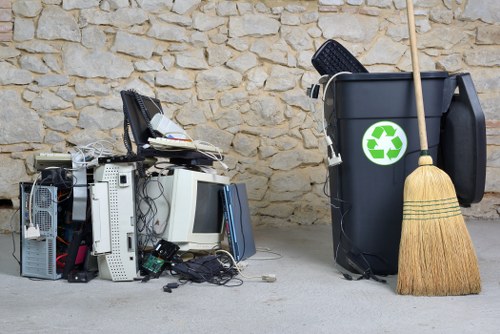 Monitoring, review and accountability form the final element of this policy. Management will conduct periodic audits, site inspections and performance reviews to ensure compliance with this health and safety policy. Roles and responsibilities are defined: managers set standards and provide resources; supervisors implement controls and check compliance; employees follow procedures and report hazards. This document will be reviewed annually or sooner if operational changes necessitate an update. By adhering to these principles, our garden clearance and rubbish removal teams maintain a safe, responsible service for clients and the community.
Key Responsibilities
- Management: Provide leadership, resources and oversight for safe garden clearance operations.
- Supervisors: Conduct site risk assessments, brief teams and enforce safe systems of work.
- Employees: Follow procedures, wear PPE and report hazards or incidents promptly.
Policy Commitment
We are committed to reducing workplace injuries and environmental harm through robust planning, clear communication and continuous improvement. This health and safety policy underpins every task undertaken by our garden clearance teams, ensuring consistent standards across all rubbish clearance and garden waste services.
Signed for and on behalf of the organisation