Garden Clearance in Forest Gate

Garden clearance in Forest Gate should leave outdoor spaces tidy, usable and ready for whatever comes next, whether that means regular maintenance, a reset after overgrowth, or preparation for landscaping and planting. Our work focuses on clearing away green waste and bulky garden materials, then leaving the area arranged sensibly so you can see what remains and plan the next stage. We handle practical clearance tasks for homes and small commercial outdoor spaces with a straightforward, careful approach.
The service can cover routine tidying as well as more involved clear-outs after long periods of neglect. That may include cuttings, branches, old soil, broken pots, timber, fencing sections, sacks of garden waste and mixed outdoor clutter that has built up over time. Where different materials need separating, we sort them with disposal and recycling in mind. Clean access and clear working space help the job move smoothly, but we keep the focus on the clearance itself rather than turning it into a long disruption.
If you are comparing options, a useful first step is to identify what needs removing and what should stay, then decide whether the work is a simple tidy-up or a fuller garden clearance. You can also speak to us about the kind of finish you want, from a light refresh through to a deeper clear-out before repairs or replanting. Request a quotation when you are ready to discuss the scope.
What our garden clearance service covers
Garden clearance is often broader than collecting a few bags of waste. In many cases, the job involves moving through beds, paths, sheds edges and side returns to remove the materials that get in the way of using the space properly. That can include clippings, hedge trimmings, dead plants, roots, fallen branches, broken planters and miscellaneous items left outside after previous work. We aim to clear what is no longer needed while protecting anything you want kept in place.
Because no two gardens are arranged the same way, the method needs to be practical. Some spaces are easy to access from a drive or side path, while others need items carried through the property more carefully. We can work around features such as paving, lawn sections, borders and stored equipment, so the clearance is controlled rather than rushed. If the garden contains mixed waste, we separate reusable or recyclable materials where that is appropriate and dispose of the rest responsibly.
Managing overgrowth and bulky outdoor waste
When a garden has been left for a while, the work can include more than simple tidy-up waste. Overgrowth may hide branches, uneven surfaces, old containers and broken edging, which means clearance has to be done in stages. We remove the visible build-up first, then deal with the heavier or more awkward material beneath it, so the space becomes safer to inspect and easier to use again. This is especially helpful where there is no clear starting point.
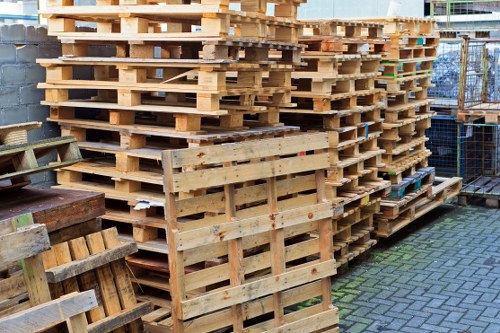
Bulky outdoor waste can take many forms, from damaged timber and dismantled fencing to old garden furniture, collapsed compost bins and sections of shed contents stored outdoors. These items often need different handling from green waste, so separating them early saves confusion later. In practical terms, a well-organised clearance helps avoid unnecessary trips across the garden and reduces the chance of leaving behind smaller debris that would spoil the finish.
For a large or untidy garden, it is sensible to have a clear idea of the areas you want opened up first. That allows the work to be sequenced around access routes, hidden waste and fragile plants. A quick note on what should stay, what should go and where access is easiest can be enough to shape the clearance efficiently.
Removing garden waste, cuttings and mixed items
Green waste is the most common material in garden clearance, but it is rarely the only one. After pruning or cutting back, there may also be strings, plant ties, broken terracotta, compost bags, cracked tools or leftover materials from small outdoor projects. We clear these mixed items as part of the overall service so the garden does not still feel cluttered after the obvious waste has been taken away. The aim is a proper reset, not just a quick surface tidy.
Where possible, we keep recyclable and reusable materials separate from general waste. That matters because a garden often contains both biodegradable matter and harder items that need a different disposal route. Timber, metals, hard plastics and soil may all need individual handling depending on condition and quantity. Clear separation also makes it easier to leave behind anything you want to retain for future use, such as storage pieces, edging, usable pots or garden tools.
- Green waste such as cuttings, leaves and prunings
- Bulky items like broken pots, timber or disused furniture
- Mixed outdoor clutter gathered from borders, sheds and paths
- Light debris left after trimming, tidying or seasonal work
Preparing the garden for new use
Many customers want clearance because the garden is due for a different stage of use. That may mean preparing for planting, turfing, patio repairs or a fuller redesign. In those cases, the clearance needs to do more than remove obvious waste; it should leave the area workable and easier for the next trade or task. We therefore focus on opening up access, removing loose material and helping the space feel organised rather than half-finished.
It is often useful to think about which parts of the garden need to be left untouched. For example, some areas may contain healthy shrubs, established borders, trellises or sleepers that remain part of the layout. Others may need old items removed so you can assess levels, drainage or surface condition. A clear handover is easier when the clearance has been planned around the final aim, whether that is a simple refresh or a more complete reset.
If you are weighing up the work, start with a few notes about the items involved and the effect you want at the end. A concise description of the garden and the waste usually helps much more than a long explanation. See pricing and quotes if you want to understand how estimates are commonly shaped for this kind of work.
Access, sorting and practical preparation
Good preparation can make a garden clearance easier, but it does not need to be complicated. The main things that help are identifying the items to be removed, thinking about access points, and noting anything that needs careful handling. If bins, side gates, sheds or rear paths are awkward, that information is helpful before the work starts. It means we can plan the order of removal and avoid unnecessary backtracking through the garden.
There is also value in sorting what you already know you want to keep. A stack of materials left close to waste can be confusing, especially when the space is overgrown or partially hidden. Separating keep, remove and maybe positions in advance makes the job faster to assess and easier to complete neatly. Where that is not possible, we can still work from the condition of the site and make a practical judgement based on what is present.
For customers who prefer a simple checklist, the following points are usually enough to prepare a useful enquiry: what needs taking away, how easy the garden is to access, whether any items are heavy or awkward, and whether there are fragile features nearby. Once those basics are clear, the clearance can be planned around the actual work rather than guesswork.
Green waste, branches and heavy garden materials
Some garden clearances are mostly lightweight, but others involve heavy, damp or bulky material that needs more effort to move safely. Branches, thick roots, waterlogged compost sacks and dense piles of cuttings can take up far more space than they first appear to. We handle these materials carefully so the work remains controlled from start to finish, especially where narrow paths, steps or uneven ground are involved.
Heavier garden waste often creates a second challenge: it can hide smaller items beneath it. That is why clearing in layers is usually more effective than trying to gather everything in one pass. Once the bigger material has gone, it becomes easier to spot old fixing materials, broken edging, buried plastic, damaged containers or other clutter that would otherwise be left behind. A thorough clearance gives the garden a cleaner overall result.
Different materials can also affect how the job is organised. Damp soil and planted waste may need to be handled separately from wood, stone or manmade debris. Where the garden contains a mixture of all three, we work in a way that keeps the waste stream sensible and the site manageable. That helps the clearance feel orderly, even when the starting point is untidy.
About Forest Gate
Forest Gate is a district in the London Borough of Newham, in east London, and it sits close to Stratford, Manor Park and the wider corridor running towards East Ham and Plaistow. The area is closely associated with transport links that have long shaped its growth, particularly the rail route now served by Forest Gate station. Much of the district developed during the nineteenth and early twentieth centuries, when suburban housing spread across what had previously been more open ground. As a result, the local streets include a large stock of terraced and semi-detached houses alongside later infill and apartment developments. The built environment gives the area a layered character, with everyday shopping streets, residential roads and community facilities sitting side by side. Wanstead Flats, part of Epping Forest, lies to the north-west and provides a substantial open space with long views and informal recreation areas, while the nearby Green Street and Romford Road corridors reflect the commercial life of the district and the wider borough. Forest Gate also has strong cultural associations, shaped by generations of migration and local business activity, and this is visible in its shops, places of worship, food outlets and community organisations. The area’s history, housing and open spaces combine to form a part of east London that is both residential and highly connected, with a character that is distinct from neighbouring districts while still linked to them through everyday movement and shared amenities.
How we approach clearance work
Our approach is deliberately straightforward: assess the waste, plan the removal route, clear the material and leave the area tidy. That sounds simple, but it matters because garden clearance often fails when the process becomes careless or too fragmented. By keeping the method organised, we can deal with both the obvious waste and the smaller items that are easy to miss. The result is a more usable garden and a cleaner finish around the edges.
We do not assume every job needs the same level of effort. Some clearances involve a few bags and a small amount of debris, while others require time spent working through overgrown beds, hidden rubbish or awkwardly stacked materials. The work is shaped by what is there, how it is stored and how accessible the site is. That practical focus helps keep the service appropriate to the task rather than overcomplicated.
If you are planning ahead, it helps to think of the clearance as the first step in a wider outdoor project. You may want the space ready for seasonal maintenance, boundary repairs, replanting or a complete redesign. Garden clearance is often most effective when it is tied to a clear next step, because that keeps the result useful rather than just empty.
Choosing the right level of garden clearance

Not every customer needs a full clear-out. Sometimes the right choice is a lighter clearance that removes cuttings, a few unwanted items and the build-up that makes the garden feel untidy. Other times the better option is a deeper clearance that opens up the site so you can properly inspect levels, boundaries, planting areas and hard surfaces. The right level depends on how the garden is used and what needs to happen after the waste is removed.
It can help to think in terms of outcome. If you simply want access restored, the work may be quite limited. If you are planning changes, the clearance may need to go further so the remaining features are easy to see and measure. We can work with either approach, provided the scope is clear. That flexibility is useful for households that want to clear space gradually, as well as for those dealing with a more substantial outdoor reset.
When requesting a quotation, keep it plain and specific. Mention the type of material, the rough quantity, the access available and whether the garden contains any especially heavy or mixed items. About us can be useful if you want a little more background before you get in touch, but the most important thing for an accurate estimate is the work itself.
Related clearance and waste services
Some jobs sit close to other forms of domestic or light commercial clearance, so it can be useful to understand the broader options. When a project involves not only the garden but also stored items from a shed, garage or loft access point, the scope may extend beyond standard outdoor waste. In those cases, the clearance still needs to stay organised by material and location, so each part of the job is handled in the most sensible way.
We also work with services that cover different types of waste and household items where relevant. Waste removal suits mixed or general disposal needs, while furniture clearance may be relevant where outdoor seating, broken tables or other bulky items need to go. If the work includes building materials or post-project debris, builders waste clearance can be a better fit for that portion of the job.
For broader clear-outs, options such as home clearance, house clearance and garage clearance may also be relevant depending on where the unwanted items are stored. The main point is to choose the service that matches the material and the location, rather than forcing everything into one category. That keeps the work clearer and the quotation easier to shape.
Planning a tidy finish

A tidy finish depends on more than just taking the waste away. Once the obvious clutter has gone, the edges, corners and access routes matter just as much. Loose fragments, stray soil and hidden offcuts can make a garden feel only partly cleared, so we pay attention to the smaller details that influence the overall impression. This is especially important where a garden will be used straight after the clearance or handed over for further work.
There is often a balance between removal and preservation. Some customers want every non-essential item taken away; others prefer to keep usable materials aside for later use. We can work to either preference so long as the instructions are clear. If you have items that are fragile, reusable or waiting for another job, separating them in advance helps avoid confusion and keeps the clearance focused on what truly needs to leave the site.
When you are ready to move forward, get in touch to request a quotation. A brief summary of the garden, the waste and the access is usually enough to begin. From there, we can help you arrange a practical clearance that suits the space and the work you want done.